Cannabutter
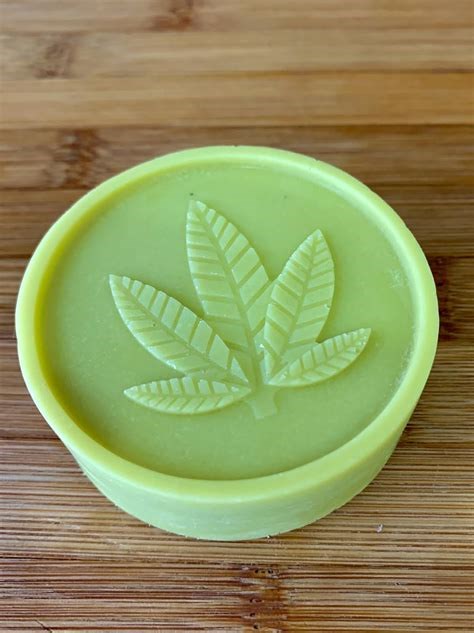
Cannabis butter, or cannabutter, is the essential ingredient to cannabis-infused edibles. Most weed edibles, including the infamous brownies, use cannabutter to produce a high, and it's one of the best ways to enjoy cannabis if you don't want to smoke it.
4 servings · Easy
Ingredients
- A quarter ounce (7 grams) of cannabis flower
- 8 ounces (1 cup) of butter
- 8 ounces (1 cup) of water
- A cannabis grinder
- One nonstick baking sheet
- One stovetop pot
- A thermometer (optional)
- Cheesecloth
- An airtight glass jar
Instructions
- Grind your cannabis flower. Use a grinder that is made specifically for cannabis. What you'll end up with is a coarse, ground herb.
- Heat your oven to 230 to 245 degrees Fahrenheit. 240 degrees is perfect for my oven, but it depends on your oven, its age, and how evenly it cooks.
- Spread your ground cannabis on a non-stick baking tray. A non-stick baking sheet that has not been used to cook food before is preferred. If you only have a pan that has been used for food, lay down a piece of parchment paper to protect the cannabis from any residue on the pan. This also helps prevent sticking.
- Bake for 30 minutes. Stir it up every five minutes to make sure it is being evenly decarbed.
- Don't overdo it. Set an alarm and don't exceed 40 minutes. Too much heat may break down the cannabinoids and terpenes - essential oil compounds that work in harmony with cannabinoids to enhance the effects of cannabis. The goal is to activate the beneficial compounds without overcooking and potentially damaging them.
- Now that you have decarbed your weed, you're ready to get the butter on the stovetop and begin infusing.
- Melt 1 cup of butter and 1 cup water together. The water will help the butter heat more evenly. Water that doesn't evaporate will be removed at the end. For a half-batch, use 1/2 cup of water, 1/2 cup of butter, and 1/8 ounce of cannabis.
- Set your burner to the lowest heat. The butter should cook at 150 degrees Fahrenheit, up to a max of 200 degrees. A cooking thermometer can help you gauge the exact temperature.
- Add your decarbed cannabis and mix. Cover the pot with a lid. This helps distribute the heat, which is ideal for a low, slow extraction.
- Let simmer at 150 degrees for at least three hours. If you want to go longer for a more potent butter, you can steep for four hours, but make sure the temperature is at its lowest. You also may want to add more water if you choose a longer cooking time, as it evaporates and leaves the butter vulnerable to overheating. Stir occasionally to prevent burning.
- Once three hours have passed and your home is filled with a faint aroma of cannabis-mixed-with-butter, it's time to strain your mixture.
- Place a few layers of cheesecloth over a jar. Use a rubber band to secure it in place so it won't slip while you strain. Coffee filters work too if you don't have cheesecloth lying around. The average metal food strainer will be too coarse for this step.
- Pour the butter slowly through the cheesecloth. Give it time to adequately drain so you don't have an overflow. Once it's fully strained, you may dispose of or compost the spent weed.
- Let it cool. 30 minutes at room temperature will start the process, then transfer it to the fridge.
- Remove excess water. Once it's cool and solidified, you will be able to clearly see the butter on the top and a small layer of water on the bottom. Carefully pour the water out of the jar. Hold the butter in place with a clean finger or utensil to make sure it doesn't slip out.
Decarb the Cannabis
Steep on the Stovetop
Strain The Butter
Tags: pepperplate-import