Classic Pie Crust Pastry
Easy · 12 ingredients — shared from Reciquest
4 servings · Easy
Ingredients
- 2 1/2 (300g)unbleached all-purpose flour
- 2 tbsps sugar
- 1 tsp kosher salt
- 1 cup (2 sticks) unsalted butter, cut into small cubes and chilled
- 6 to 8 tbsps ice-cold water
- 1 1/4 cups (150g) unbleached all-purpose flour
- 1 tbsp sugar
- 1/2 tsp Kosher salt
- 8 tbsp (1 stick) unsalted butter, cut in small cubes and chilled
- 3 to 4 tbsps ice-cold water
Instructions
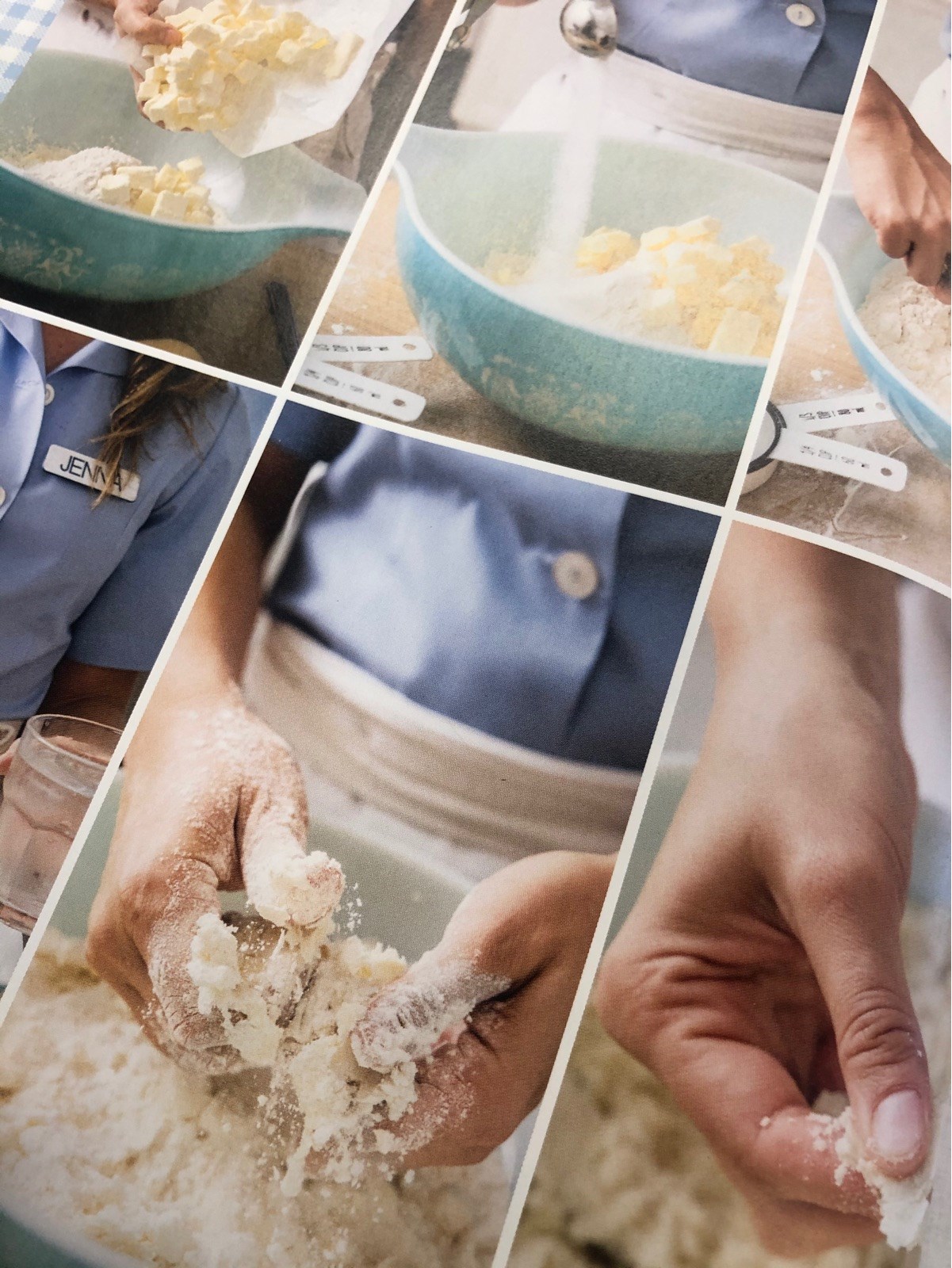
- Whisk together the flour, sugar, and salt in a large bowl. Use two butter knives or a pastry blender to work in the butter until the mixture resembles coarse sand with about a third of the pieces of butter left the size of green peas.
- Sprinkle 3 tbsps of the water over the flour mixture if making a single crust, 6 tbsps for a double batch. Use a fork to toss the dry ingredients and fold in the water until the mixture forms clumps of shaggy dough. Pinch one of the clumps; if it holds together, it’s ready; if it breaks apart easily, stir in more water, 1 tsp. At a time.
- Use your fingertips (palms are too warm!) to gather the clumps into a ball. Divide the mass of dough in two if making a double batch.
- Place each ball of dough on a sheet of plastic wrap, flatten into a disk about 3/4 inch thick, and wrap tightly. Refrigerate for at least 3 hours and up to 3 days. This gives the pastry time to rest, so the flour can continue to absorb the liquid and the pastry will be easier to handle. For longer storage, place the wrapped pastry in a freezer bag and freeze up to 2 months. Thaw in the refrigerator overnight before using.
- Place the flour, sugar, and salt in a bowl of a food processor and pulse 4 or 5 times to combine. Scatter the pieces of butter over the flour mixture and pulse about 8 times or until the mixture resembles coarse sand with about a third of the pieces of butter left the size of green peas.
- Remove the lid and sprinkle 3 tbsps of the water over the flour mixture if making a single crust, 6 tbsps for a double batch. Pulse about 6 times or until the mixture forms clumps of shaggy dough. Remove the lid and pinch one of the clumps; if it holds together, it’s ready; if it breaks apart easily; add more water, 1 tsp at a time, and pulse to combine. Pour the clumps onto a work surface and use your fingertips (Palms are too warm!) to gather the clumps into a ball. Divide the mass of dough in two if making a double batch.
- Place each dough ball on a sheet of plastic wrap, flatten into a disk about 3/4 inch thick, and wrap tightly. Refrigerate for at least 3 hours and up to 3 days. This gives the pastry time to rest, so the flour can continue to absorb the liquid and the pastry will be easier to handle. For longer storage, please the wrapped pastry in a freezer bag and freeze for up to 2 months. Thaw in the refrigerator overnight before using.
- Roll a disk of dough on a lightly floured surface into a round that is about 3” wider than the diameter of your pie pan. (If the chilled dough is so firm that it cracks when you try to roll it, let stand at room temperature for a few minutes, but not so long that the butter or other fats begin to melt.) Rotate the dough a quarter turn between rolls to help keep it round. Use enough flour to keep the pastry moving easily without sticking, but add no more than necessary because excess flour makes the pastry tough. Brush away any visible flour with a dry pastry brush.
- Fit the round into a 9 1/2-inch pie pan. There should be about 1/2 inch of overhang. Press together any holes or tears with a dampened fingertip. Fold under the edge of the pastry and crimp as desired. Refrigerated til deeply chilled, at least 1 hour, which helps the pie shell stay in place in the pan instead of scooting or slipping down, and also improves the texture of the pastry. Cold fat going into a hot oven is what makes the pastry flaky.
- Pre-heat the oven to 350*F. Roll out the dough to fit into your pie pan, transfer to the pan, and press gently into the corners. Line the dough with aluminum foil, making sure it covers the edge of the dough; use overlapping sheets if needed. Fill the foil to the depth of 1/2 inch with pie weights or dried beans. Place the pan on a rimmed baking sheet.
- Bake in the upper third of the oven for 15 minutes, or until the crust is set and begins to dry but hasn’t taken on any color. Fold up the corners of the foil and lift out the foil and weights. Bake for 10 minutes more, or until the shell is dry and pale golden. Place on a wire rack to cool to room temperature.
- Pre-heat the oven to 350*F. Roll out the dough to fit into your pie pan, transfer to the pan, and press gently into the corners. Line the dough with aluminum foil, making sure it covers the edge of the dough; use overlapping sheets if needed. Fill the foil to the depth of 1/2 inch with pie weights or dried beans. Place the pan on a rimmed baking sheet.
- Bake in the upper third of the oven for 15 minutes, or until the crust is set and begins to dry but hasn’t taken on any color. Fold up the corners of the foil and lift out the foil and weights. Bake for 15-20 minutes more, or until the pie shell is golden brown all over. Place on a wire rack to cool to room temperature.
to make the dough by hand
to make the dough in a food processor
rolling and shaping your crust
BLIND BAKING
for a partially blind-baked pie shell
for a fully blind-baked pie shell
Tags: pepperplate-import